
A safer home starts here.
Housing disrepair support for private, council and housing association tenants.
If you rent your home and your landlord has failed to deal with serious repair problems, you may be entitled to have the problems put right and seek compensation for the impact they have had on you.
- No win, no fee. No upfront costs
- Help to get repairs put right and seek compensation.
- Experienced claims specialists working with regulated law firms

HOUSEING DISREPAIR
What are common disrepair problems?
Housing disrepair can take many forms. Some problems are inconvenient. Others can make parts of your home unsafe or unusable. Not every defect will amount to a housing disrepair claim. We assess each case individually.
Common issues include:
Common issues include:
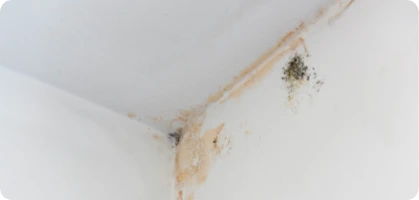
Damp & mould
Persistent damp, mould or condensation can damage your home and affect your health. Your landlord may be responsible for putting it right.
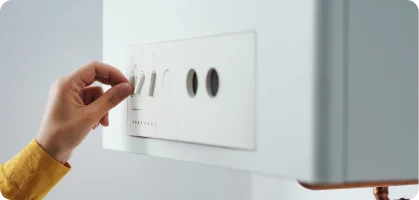
Heating & hot water issues
Broken boilers, unreliable heating or loss of hot water can make a home difficult to live in, especially during colder months.
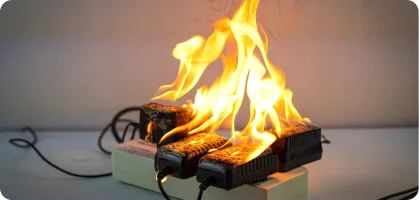
Faulty electrics or appliances
Exposed wiring, unsafe sockets or faulty landlord-supplied appliances can create serious safety risks and should be dealt with promptly.
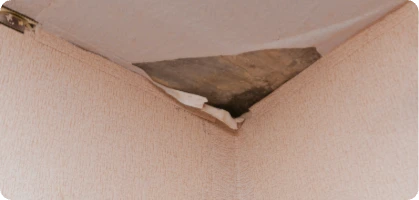
Ceiling & wall damage
Cracked, collapsing or water-damaged walls and ceilings may indicate an underlying repair problem that your landlord needs to address.
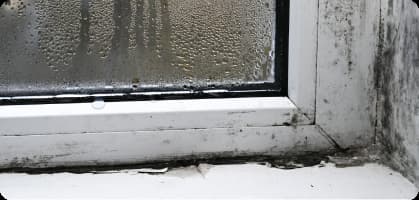
Damage to doors & windows
Broken windows, damaged frames or doors that will not close securely can affect your safety, comfort and the condition of your home.
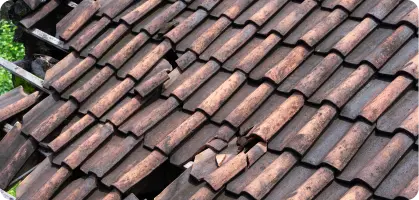
Roofing & structural issues
Leaking roofs, damaged brickwork or structural defects can worsen quickly and may make parts of your home unsafe or unusable.
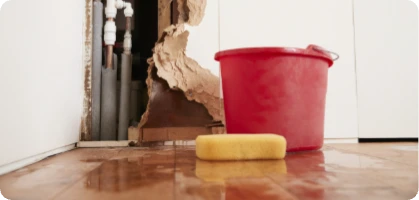
Plumbing, drainage/leaks
Leaking pipes, blocked drains or persistent plumbing faults can cause water damage, unpleasant smells and further problems if left unresolved.
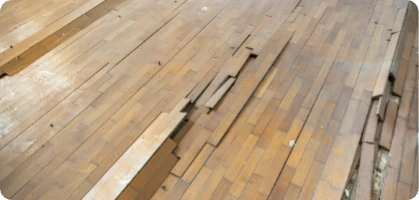
Unsafe stairs & floors
Loose floorboards, damaged flooring or unsafe stairs can create a risk of injury and may require urgent repair by your landlord.

Pest or vermin infestation
Rats, mice, cockroaches or other pests may be linked to defects in the property that your landlord is responsible for repairing.
ABOUT US
Don’t ‘Settl’ for less
- No win, no fee. No upfront costs
- Help to get repairs put right and seek compensation
- Experienced claims specialists working with regulated law firms
Our expert says
‘Don't be worried about claiming disrepair against your landlord. They have a legal responsibility to make sure your Local Authority or Housing Association property is in good condition, and they cannot ask you to leave if you seek a claim.’
Richard, HCT panel solicitor

OUR PROCESS
We support you at every step.
Our job is to help make the process straightforward.
1. Apply
Check your eligibility online or call us on 0800 229 4116 and a member of our team will get in touch to discuss your eligibility and situation.
2. Gather evidence
To help us support your case, we’ll ask you to share any evidence you have. We’ll also organise consultations with medical and home survey specialists on your behalf.
3. Submit claim
Our solicitors will submit your evidence to the landlord and negotiate compensation covering repairs, medical expenses, and distress.
4. Claim outcome
Our solicitors will negotiate your compensation and ensure repairs are made promptly. Don’t worry, most cases settle out of court.
FREQUENTLY ASKED QUESTIONS
Your questions answered
If you still have questions please do not hesitate to contact us. Our lines are open 9am - 5pm, Monday to Friday and you can email us anytime.
- Send us an email
[email protected] - Give us a call:
0800 229 4116
I am in need of emergency disrepair assistance
We want to help you get the help you need. If you have an emergency we advise the following steps:
For council or housing association tenants
- Call the council: Contact your council’s out-of-hours line immediately with the exact details.
- Record details: Write down the date, time, agent’s name, and repair reference number.
- Request temporary housing: Ask for emergency accommodation if your home cannot be made safe within 24 hours.
- Escalate if ignored: Complain to the Housing Ombudsman if the council fails to resolve the emergency.
For private tenants
- Write to your landlord: Detail the exact issues, attach photo evidence, and set a strict deadline (e.g., 24 hours for emergencies).
- Do not stop paying rent: Withholding rent is illegal and gives your landlord grounds to evict you.
- Log everything: Keep copies of all texts, emails, costs, and a phone log detailing dates and agreements.
- Contact the council: If ignored, report the landlord to Environmental Health to force repairs and protect against revenge eviction.
Could I lose my home for raising a disrepair problem?
You are entitled to report repair problems and ask your landlord to meet their legal obligations.
For most private renters in England, Section 21 “no-fault” eviction ended on 1 May 2026. Private landlords can still seek possession on specific legal grounds, and different rules can apply depending on your tenancy.
If you’re concerned about your tenancy, tell us during your assessment. Your individual circumstances should be considered before a claim proceeds.
Am I eligible to claim?
Every case is different, but we may be able to help if:
- you rent or rented your home from a private landlord, housing association or council
- there is a significant repair or condition problem
- your landlord was made aware of the problem
- they failed to deal with it properly within an appropriate period
- you suffered inconvenience, financial loss, damage, health effects or loss of use of part of your home as a result.
Other factors, including your tenancy status, the cause of the problem and any rent arrears or ongoing possession proceedings, may also need to be considered. Please note that our current law firm panel do not serve properties in Bristol, Swindon, and Gloucester. The easiest way to find out is to complete our eligibility check.Is my home in disrepair?
Disrepair can include defects or hazards that affect the condition, safety or normal use of your home.
Examples include persistent damp or mould, leaks, defective heating, unsafe electrics, broken windows, damaged flooring, drainage problems and structural defects.
Not every maintenance issue creates a legal claim. Responsibility for the defect, how serious it is, whether your landlord knew about it and how they responded are all important.
Who is responsible for repairs?
Landlords are generally responsible for major parts of a rented home’s structure and essential systems, including its structure and exterior, heating, hot water, plumbing, sanitation and electrical wiring.
Some responsibilities depend on your tenancy agreement and the cause of the damage.
Tenants are normally responsible for taking reasonable care of the property and for damage caused by themselves, members of their household or visitors.
If you’re unsure who is responsible, we can assess this as part of your enquiry.
What if my landlord says the mould is my fault?
Damp and mould can have several causes, including leaks, structural defects, inadequate ventilation, heating problems, condensation or a combination of factors.
You should not assume that mould is automatically your responsibility simply because your landlord says it is.
Where necessary, evidence about the property and the cause of the problem can form an important part of assessing a claim.
For example – excessive moisture caused through blocked vents, unused extractor fans or dryer vents would be considered tenant-caused. But leaks, defective windows or heating problems are likely a landlord responsibility.
How much compensation could I receive?
There is no standard amount.
Any compensation will depend on factors such as:
- how serious the disrepair was
- how long it continued
- which parts of your home were affected
- the impact on your day-to-day life
- damage to belongings
- additional costs you incurred
- any effect on your health
- the evidence available
We can’t promise a compensation figure before your individual circumstances have been properly assessed by the law firm.
What should I do if I think I have a claim?
Report the problem to your landlord or letting agent and keep evidence of doing so.
Where possible, keep:
- photographs and videos
- emails, messages and letters
- repair reports
- dates of phone calls
- inspection records
- receipts for additional expenses
- evidence of damaged belongings
- relevant medical information
Then complete our eligibility check and we’ll assess what happened.
What if I have rent arrears?
Rent arrears do not mean a landlord can ignore their repair responsibilities.
They can, however, affect the wider legal position and may be relevant to how a claim is handled, particularly if possession proceedings are already underway.
Tell us about any arrears when you speak to us so the full circumstances can be considered.
Do I need to pay anything upfront?
No.
Cases accepted by our legal panel are handled under a no-win, no-fee agreement. The precise terms, including any deductions from compensation if your claim succeeds, will be explained before you agree to proceed.
Will I need to go to court?
Many housing disrepair claims are resolved without a final court hearing.
Some cases do require court proceedings, however, and no responsible adviser can guarantee otherwise.
If court action becomes necessary, your solicitor will explain the process and what will be required from you.
Can I claim if I've already moved out?
Potentially.
You may still be able to claim compensation for disrepair you experienced during a previous tenancy, particularly if you reported the problem while you lived there and have evidence of what happened.
Legal time limits apply, so it is worth seeking advice as soon as possible.
If you have already left the property, you would normally be seeking compensation rather than asking the former landlord to carry out repairs to your current home.
If you still have questions please do not hesitate to contact us. Our lines are open 9am - 5pm, Monday to Friday and you can email us anytime.
- Send us an email
[email protected] - Give us a call:
08002294116
GET IN TOUCH
A safer home starts here.
Get in touch with Settl-d and take the first step towards a safer, more comfortable home. Our housing disrepair experts can assess your situation, explain your options and check whether you may be eligible for compensation.